What Is Pelvic Floor Physical Therapy? How and Who Does It Help?
By Dr. Allison Feldt, PT, DPT ··6 min read
Pelvic floor physical therapy is a service that relieves pelvic floor dysfunction, strengthens pelvic floor muscles, and improves their function.
What happens during a pelvic floor physical therapy session? A Physical Therapist will use internal and external manual therapy to release muscles and improve blood flow to the pelvic floor.
Exercises will be provided to strengthen the body and address dysfunctions that return because of the compensations the body creates due to issues in the pelvic floor, core, hips, and glutes.
Pelvic Floor Physical Therapy is particularly beneficial to women because core strength is directly related to the pelvic floor. People who are trying to conceive, are currently pregnant, postpartum, or in perimenopause benefit greatly from Pelvic Floor Physical Therapy because of the changes in hormones and the body overall.
Key Signs, Symptoms, and Diagnoses That Benefit From Pelvic Floor Physical Therapy Treatment
Individuals who have been diagnosed with Dyspareunia or have been experiencing pain with intimacy.
Chronic or consistent constipation, regardless of how hydrated you are or how much fiber you consume.
Fecal or Urinary Incontinence, going to the restroom frequently, leaking, or being unable to hold in waste.
Pelvic Organ Prolapse: feeling pressure or pain in your pelvis, feeling like something is in your vaginal canal
Diastasis Recti/ Ab Separation is common postpartum but can occur in other instances
Hemorrhoids are typically caused by straining during bowel movements. Addressing constipation will help eliminate hemorrhoids
Vaginismus or having a hard time with insertion into the vaginal canal
Endometriosis or chronic menstruation pain
Infertility or irregular menstrual cycles
Healing from vaginal or cesarean birth
Neck, mid back, or low back pain
Weak core muscles, feeling like you can’t connect with these muscles or that it’s hard to engage them.
Back pain in any form: low, mid, or upper back pain. It is often related to core strength, which requires Pelvic Floor strength and coordination.
Benefits of Pelvic Floor Physical Therapy
Pelvic floor physical therapy is beneficial because it gets to the root cause of many common issues. The pelvic floor is the foundation of our core strength and supports the core, skeletal system, and pelvic organs. By prioritizing pelvic floor physical therapy, you can prevent joint replacements, chronic pain, dependence on medications, and the need for other methods of treatment like injections and other surgeries.
How Pelvic Floor Physical Therapy Improves Quality of Life
Addressing issues early on can eliminate the need for further interventions in later life.
Living with leaks, chronic pain, pelvic organ prolapse, diastasis recti, and constipation may seem ordinary, but ignoring these early signs will affect your quality of life as you age.
I started Body Motion Physical Therapy after working with women in their 60s and 70s who had been struggling with pelvic floor issues since they had children, were dealing with chronic pain that limited their mobility, and were given surgery, injections, and medications as the only solution to their pain and had lost their bladder and bowel control.
At that age, making significant changes with pelvic floor physical therapy is almost impossible because so many other issues take precedence, but that is why I made it my mission to educate and support women going through pregnancy, postpartum, and menopause so we could catch and address pelvic floor dysfunction before it progressed past the point of no return.
However, not all pelvic floor therapists are equal. As a leader in the Pelvic Floor Physical Therapy Industry, I have created exclusive Body Motion Physical Therapy Protocols.
These protocols are detailed in my two books, “Pregnancy Era: The Secret To A Tear-Free Birth And Fast Postpartum Recovery” and “Restore Your Body After Kids: The Secret To Avoid Peeing Your Pants And Achy Joints As You Age.”
Hundreds of our clients, both past and present, have worked with other Pelvic Floor Therapists and left feeling disappointed or like no significant changes were made. We often hear that internal manual therapy was a simple check that wasn’t included in a plan of care moving forward. If I went to a heart doctor and my heart wasn’t checked at every appointment, I would be concerned. The same applies to Pelvic Floor Physical Therapy. If issues persist and the pelvic floor is not being addressed, no amount of exercise or abdominal massage will change the quality and coordination of those deep internal muscles. Can you get some degree of relief from standard pelvic floor physical therapy? Yes. Will it be enough to eliminate the need for medications or surgeries in the future? I cannot confidently say yes to that scenario.
In life, we don’t know what we don’t know. That is why I have made it my mission to educate my community on the importance of pelvic health, birth preparation, postpartum healing, and prioritizing pelvic health as we approach and go through menopause.
Most women have heard that Kegel’s are effective for eliminating pelvic floor issues, and they need estrogen cream, dilators, biofeedback, yoni eggs, and other mainstream “solutions.”
But what needs to happen is that the muscles must return to their routine and natural state without dependence on one of these “solutions,” which is the focus of my Body Motion Physical Therapy Protocols. To optimize your body for healing and restore natural function.
The Pelvic Floor can still be considered taboo to talk about; issues around these areas can be shrouded in shame, trauma, or even just a lack of education about their functions. Working with compassionate professionals to work through these concerns and heal the physical pelvic floor can help support healing the relationship with that area of the body.
What to Expect During a Pelvic Floor Physical Therapy Session At Body Motion Physical Therapy:
My Pelvic Floor, Physical Therapist team is trained in my exclusive Body Motion Physical Therapy protocol. A new client will receive a Free 30-minute discovery Visit with a Doctor to address any questions or concerns before getting hands-on care. If they decide to move forward, they will have a 50-minute Initial Evaluation with an Expert Pelvic Floor Physical Therapist. You will receive a full body assessment, both internal and external, to determine your care plan.
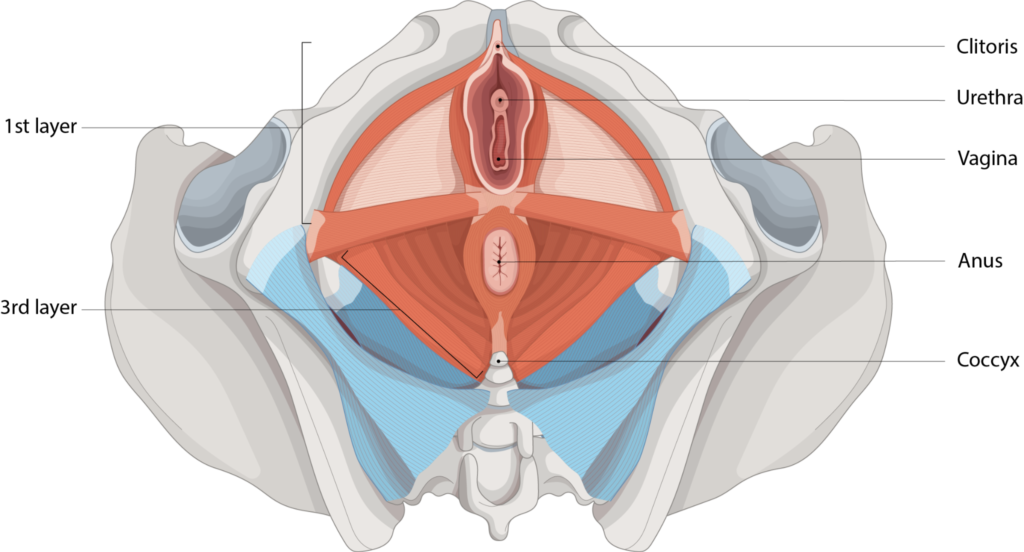
Each layer of the pelvic floor will be mapped out to note your initial pelvic floor condition. After the Initial Evaluation, you will receive your plan of care, which is how often you need to come in and for how long. Visits include manual therapy, visceral manipulation, which is the hands-on external treatment of the organs to restore their natural rhythm, in combination with Body Motion Wave therapy, which, in simple terms, is a machine that creates deep vibrational waves, also known as radial pressure waves, that dissolve scar tissues and adhesions quickly.
Our care is client-led and consent-based, and an all-female team provides services in a spa-like, calm environment. Our treatment plans are outcome-based, and your goals are the focus. Everyone is busy, so treatment is done during your sessions to create lasting and effective changes without homework. The Body Motion and Physical Therapy protocols are manually based, so you won’t receive a pamphlet of exercises left to lead your care at home. Simple and solution-based changes will prevent issues from progressing, and our team will provide thorough, hands-on manual therapy to your entire body because it is all connected.
Allison is a pelvic floor physical therapist and the founder of Body Motion PT in Edmonds. A mom who knows the aftermath of pregnancy and birth firsthand, she's on a mission to help women restore their core and pelvic floor at every stage of life.
Let us talk about something that gets whispered about far more than it gets addressed. The changes that happen to vaginal and pelvic tissue over the course of a life.…
If you have chronic low back pain, you have probably done the rounds. Stretching. Heat. Maybe massage, chiropractic, or a round of general physical therapy. Some of it helped for…
Women’s healthcare is evolving. For years, many women struggling with conditions like endometriosis, painful periods, C-section scar restrictions, pelvic pain, incontinence, prolapse, and postpartum core dysfunction were often told their…




 By Dr. Allison Feldt, PT, DPT